CoreFrame Developers
Showcase

Our Proven Work

Explore our full-stack Luau game frameworks and premium web integration systems engineered for ambitious brands.

[🌊] 100 Player Floor Is Tsunami
04/28/2026
Scripting / Full Game Development / Building / UI Design

[🌊] 100 Player Floor Is Tsunami

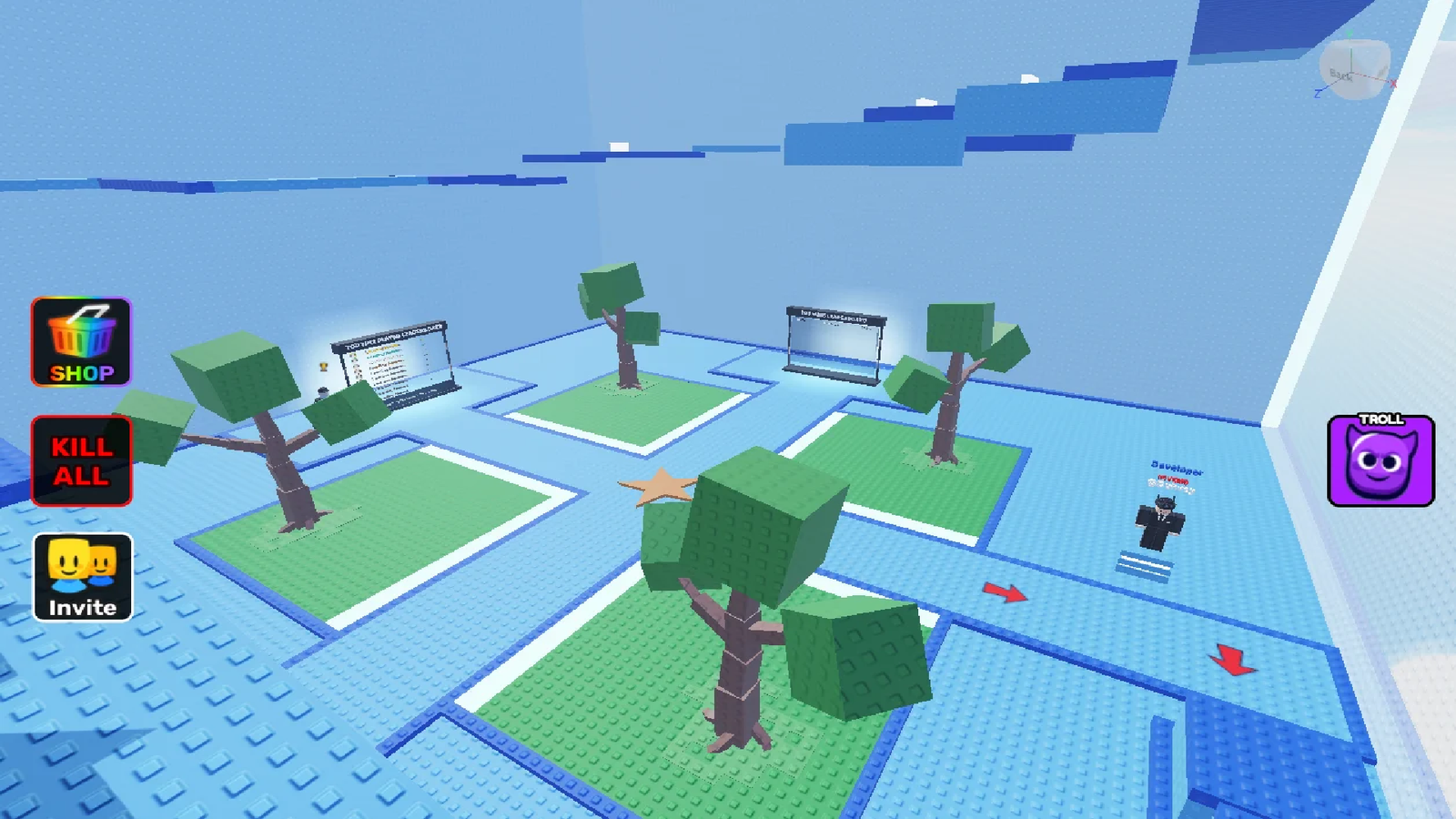
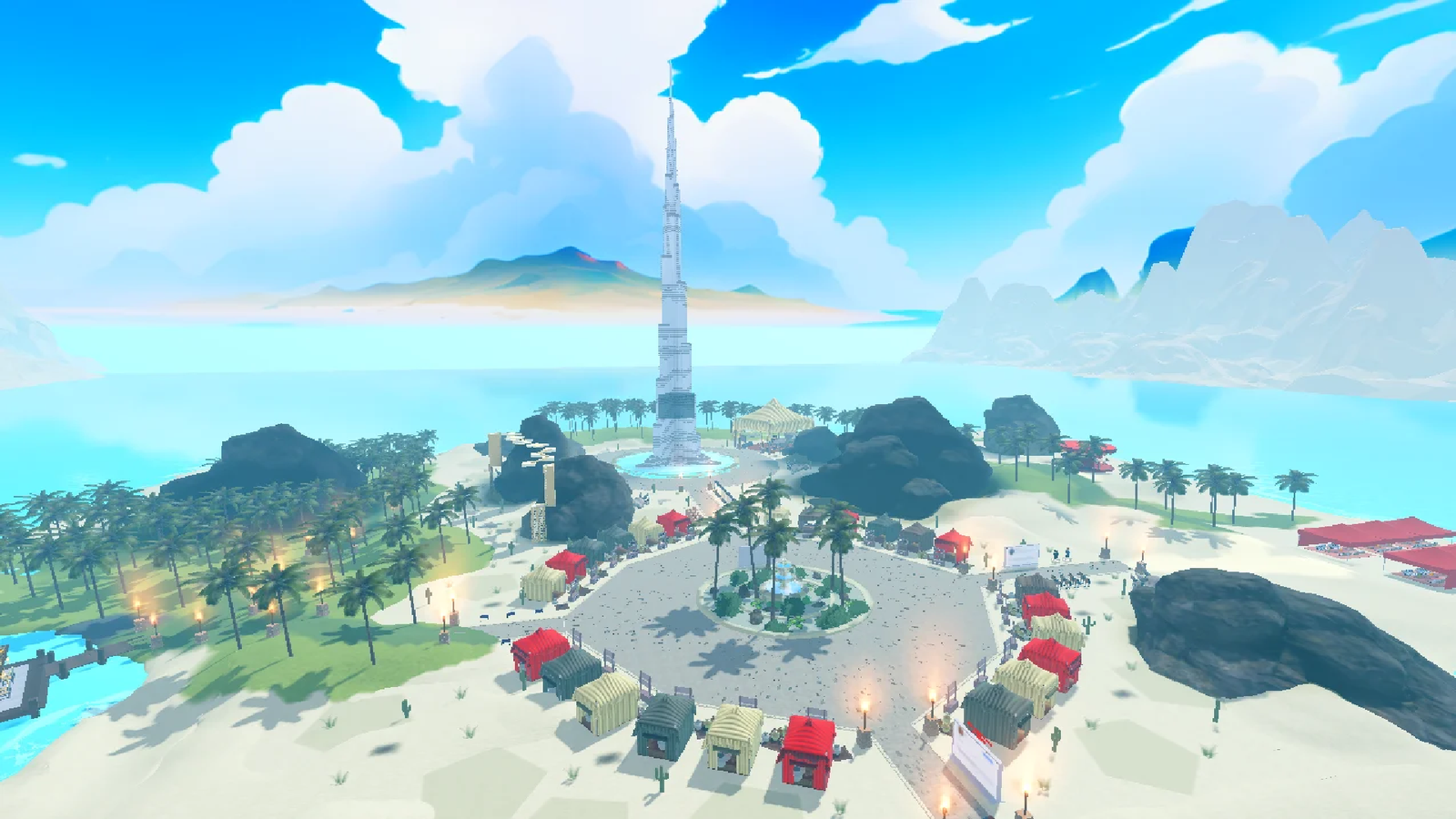
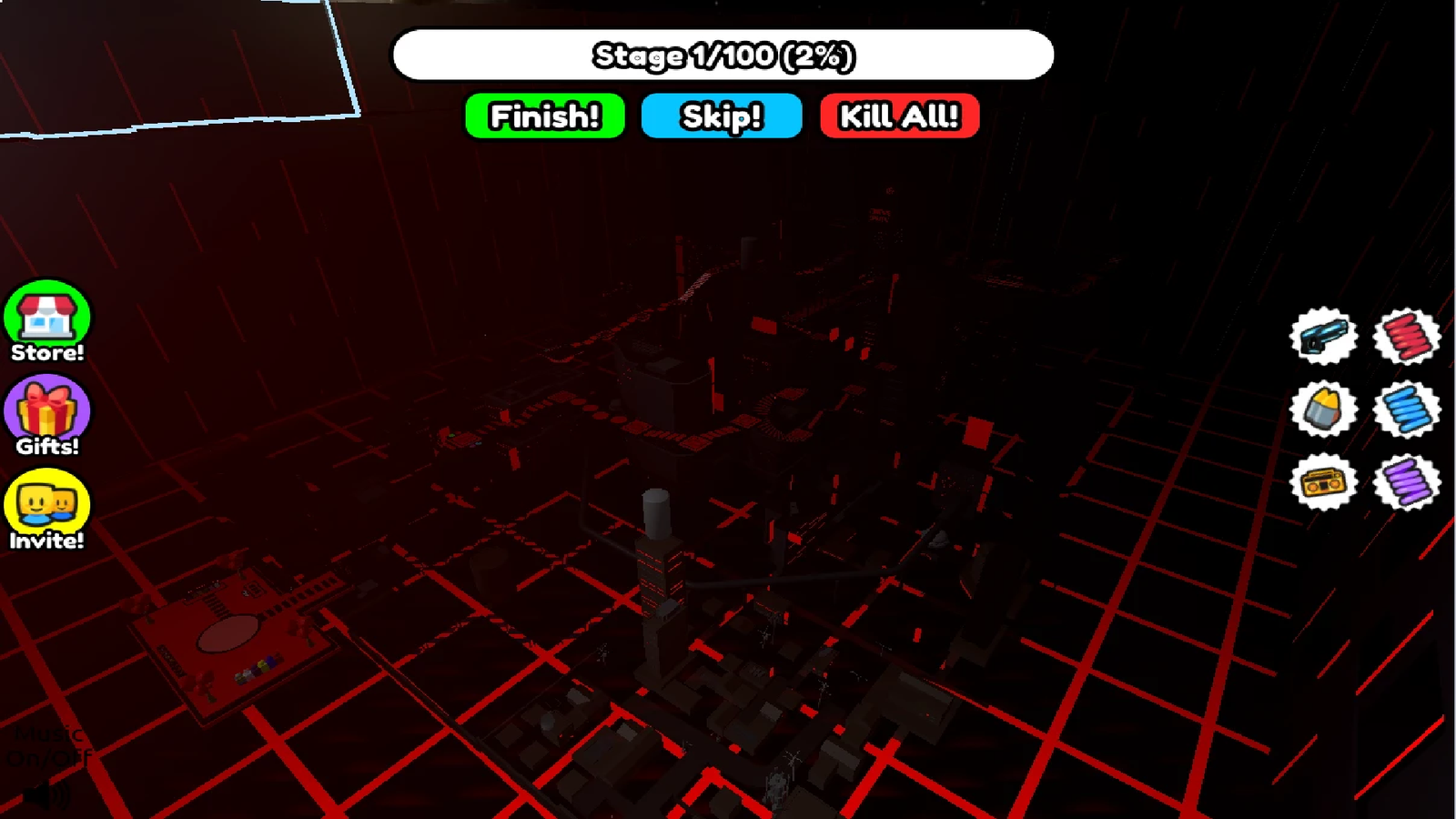
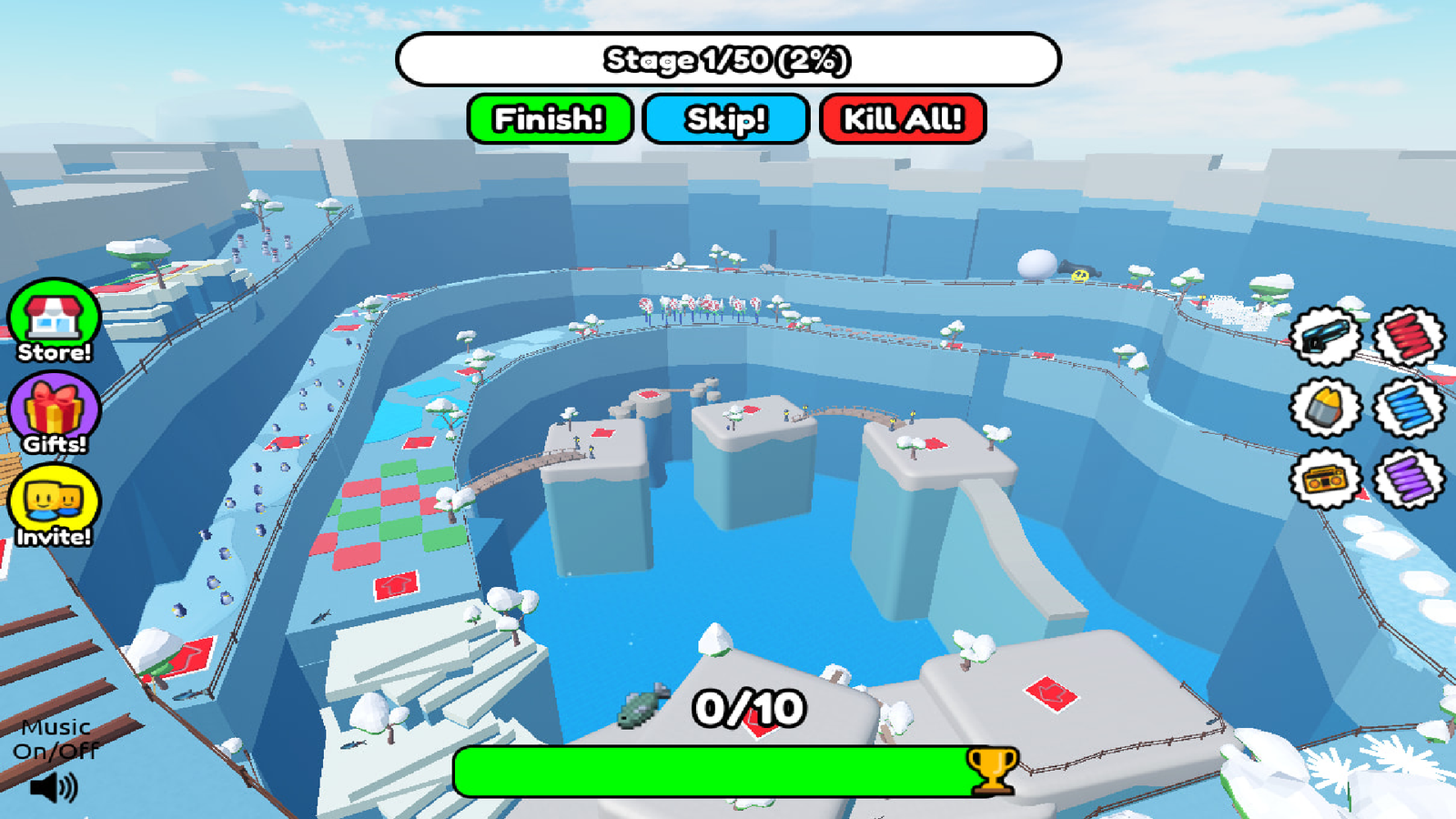
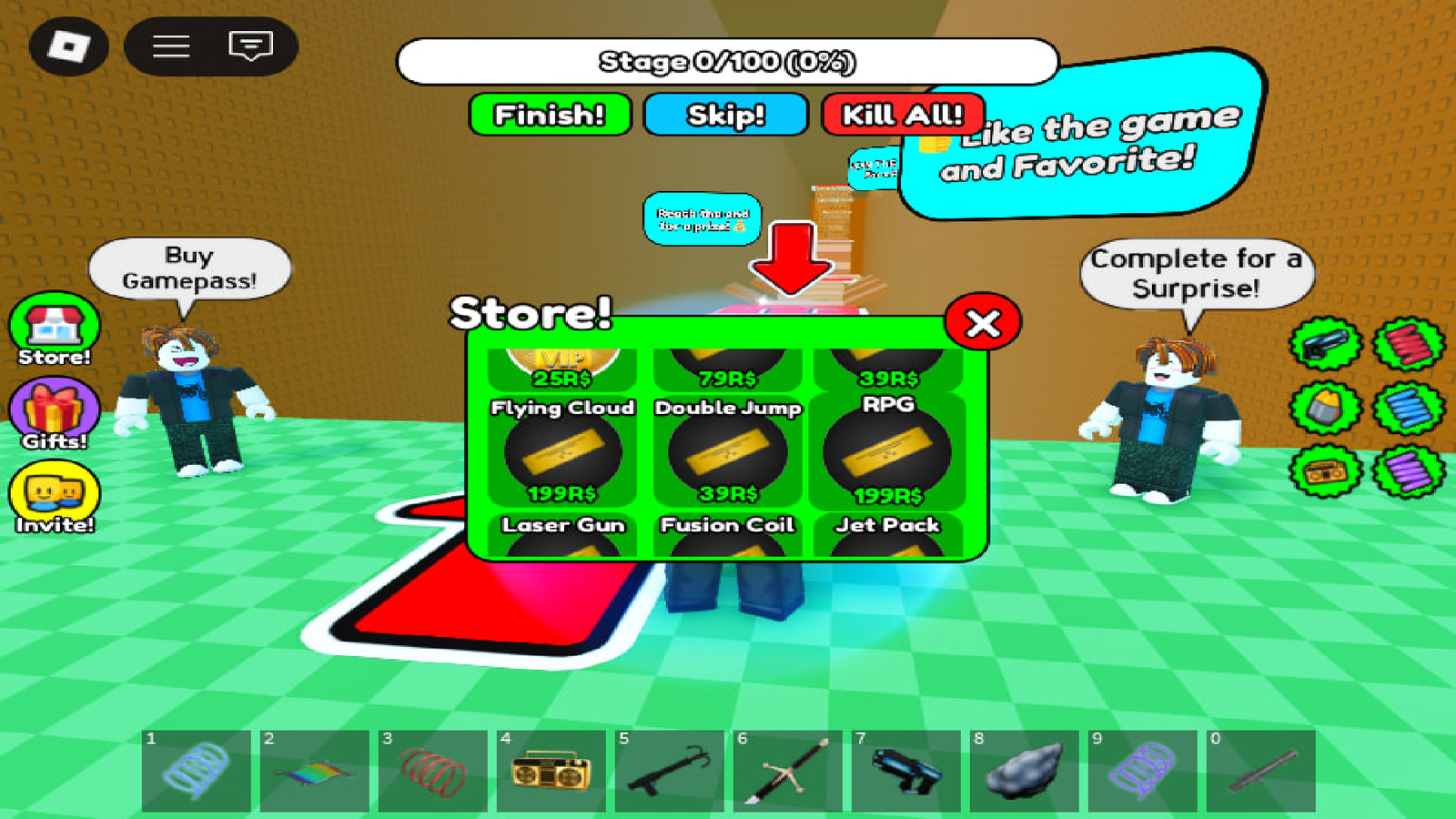
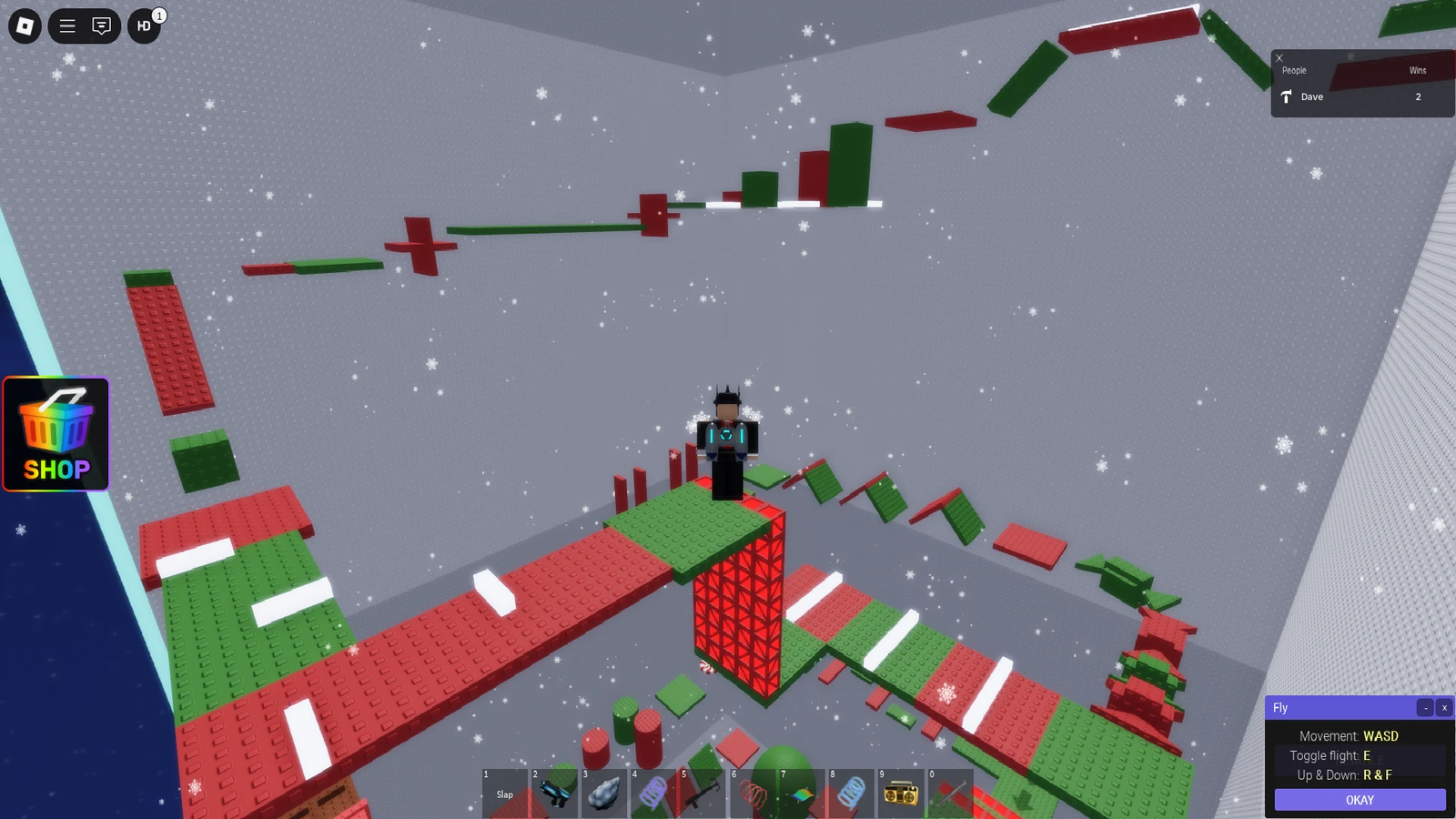
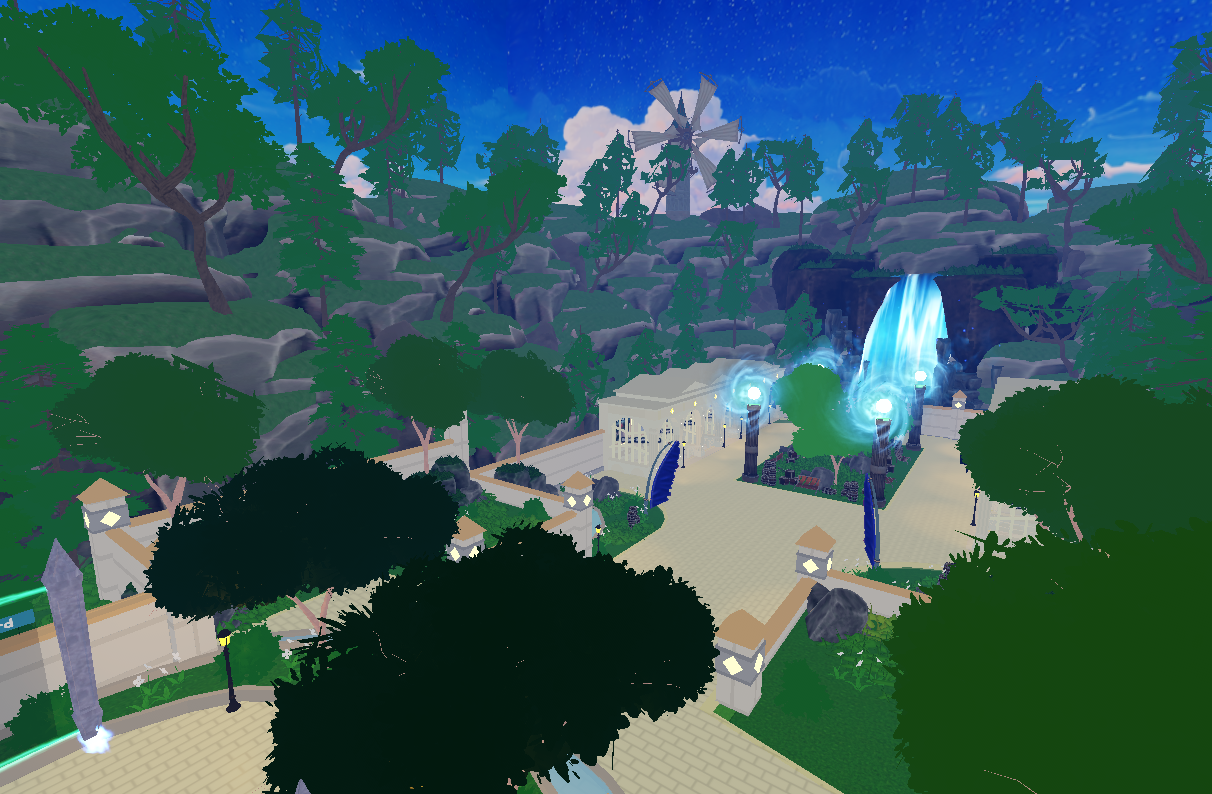
This project showcases the development of [🌊] 100 Player Floor Is Tsunami, a fast-paced multiplayer Roblox experience centered around survival, competition, and dynamic events. The goal was to create an engaging game where up to 100 players compete in real-time while reacting to a constantly rising tsunami. The map features a structured environment with multiple areas, including interactive hubs, obstacle zones, and vertical escape paths. Players must quickly navigate through parkour elements, mazes, and platforms to avoid the rising water, creating intense and unpredictable gameplay moments. To enhance engagement, the experience includes interactive UI systems such as a shop, trails, gifts, VIP features, and social elements like invites. Special actions like “Kill All” and “Nuke” add chaotic gameplay twists, encouraging player interaction and replayability. A key focus of the project was balancing performance with large player counts. Optimization techniques and clean layout design ensure smooth gameplay even with many players active simultaneously. Visual clarity and navigation were also important challenges, solved through clear pathways, signage, and open map design to help players quickly understand objectives during high-pressure situations. Overall, the project delivers a polished and highly replayable multiplayer experience that combines survival mechanics, social

View Project
🌪 Push Panic Towers
03/17/2026
Scripting / Full Game Development / Building / UI Design

🌪 Push Panic Towers

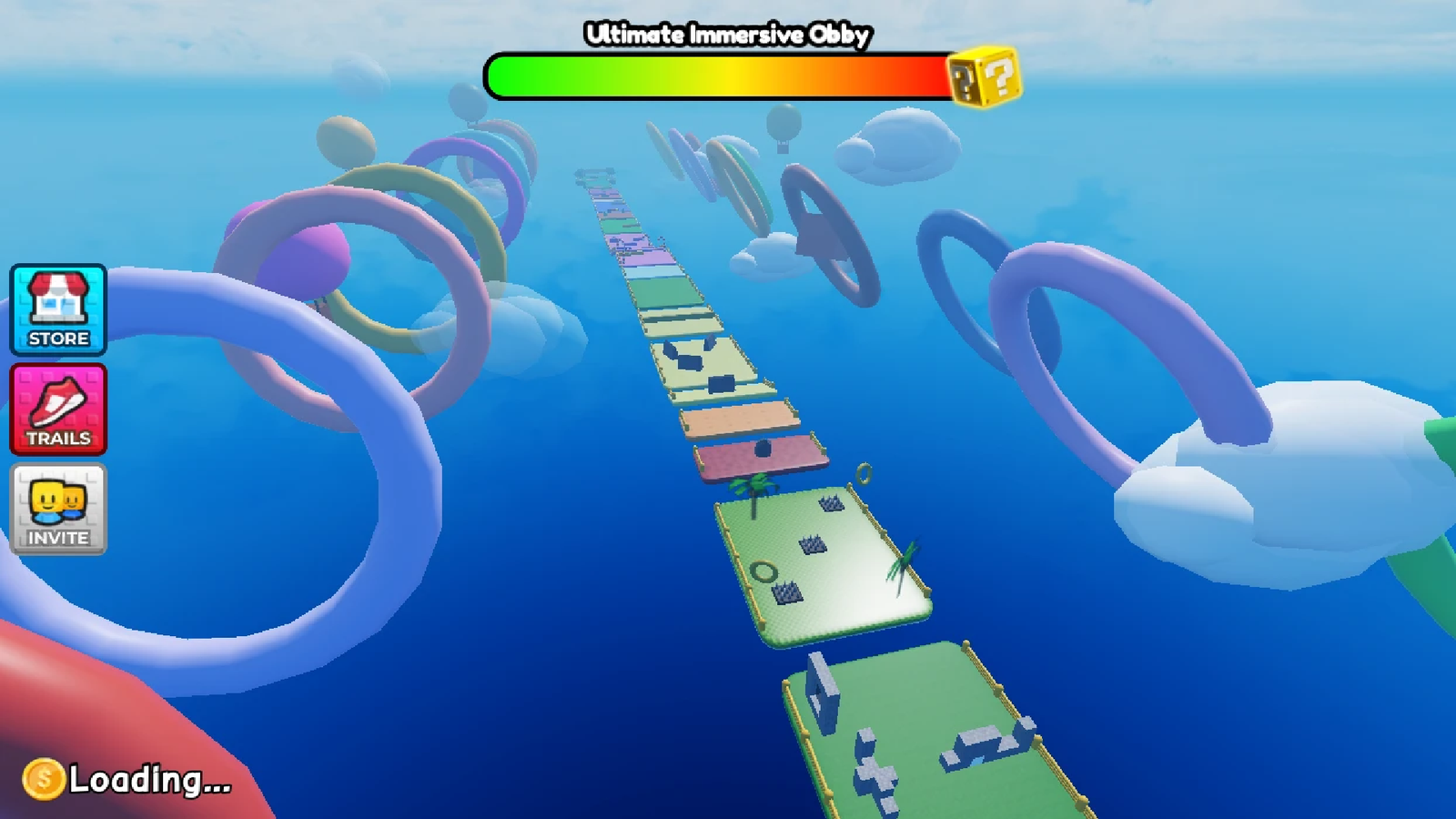
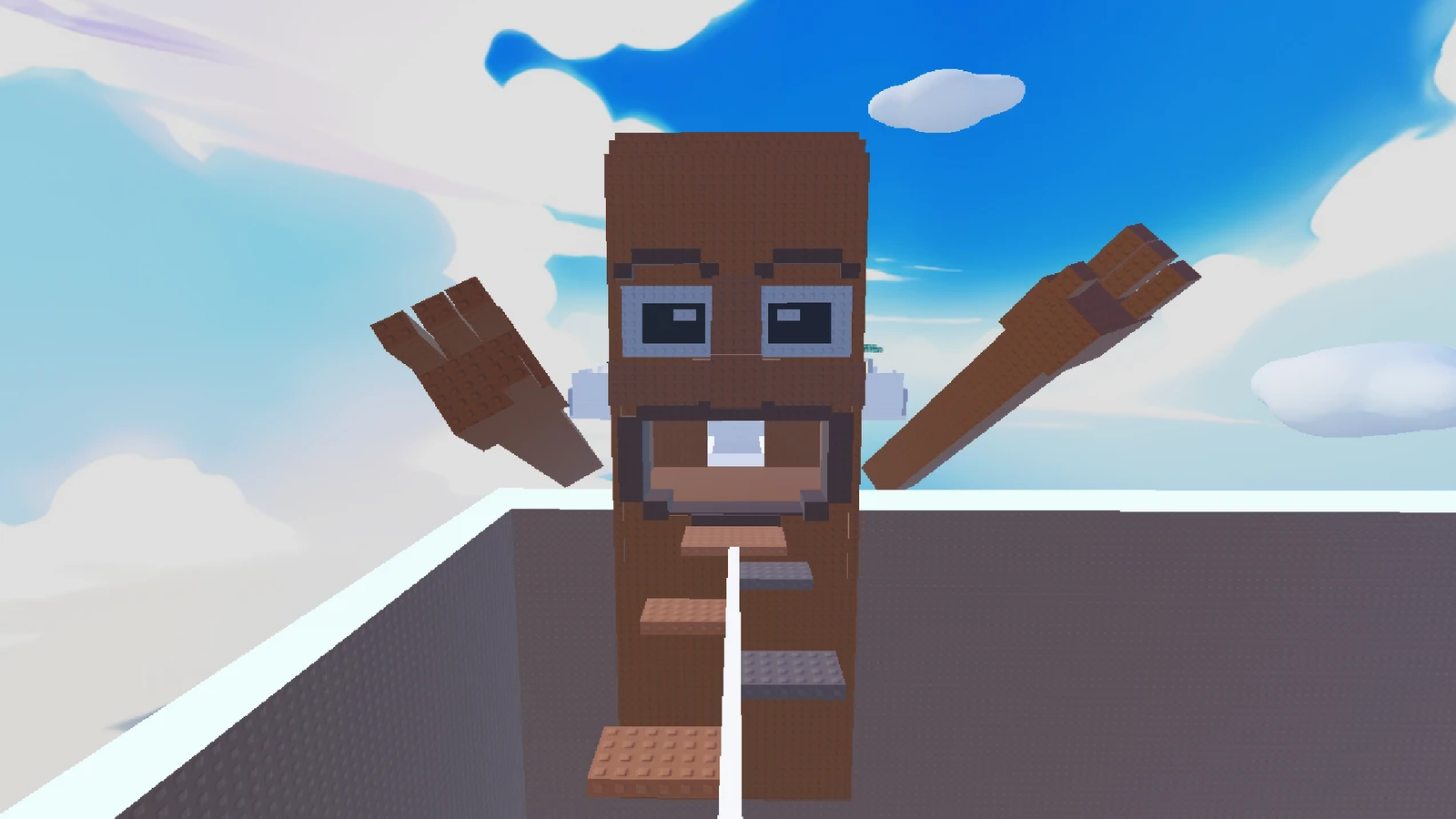
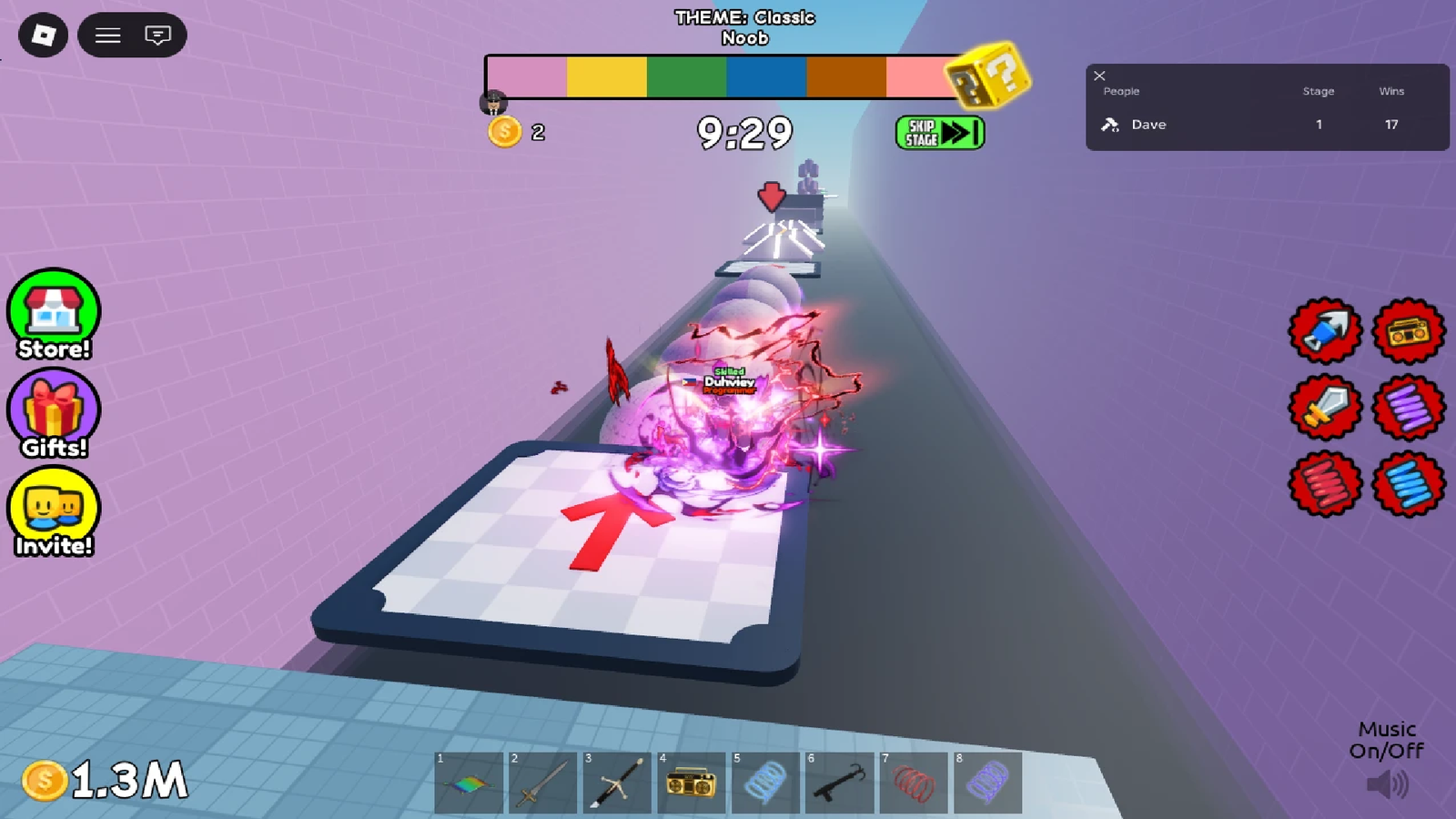
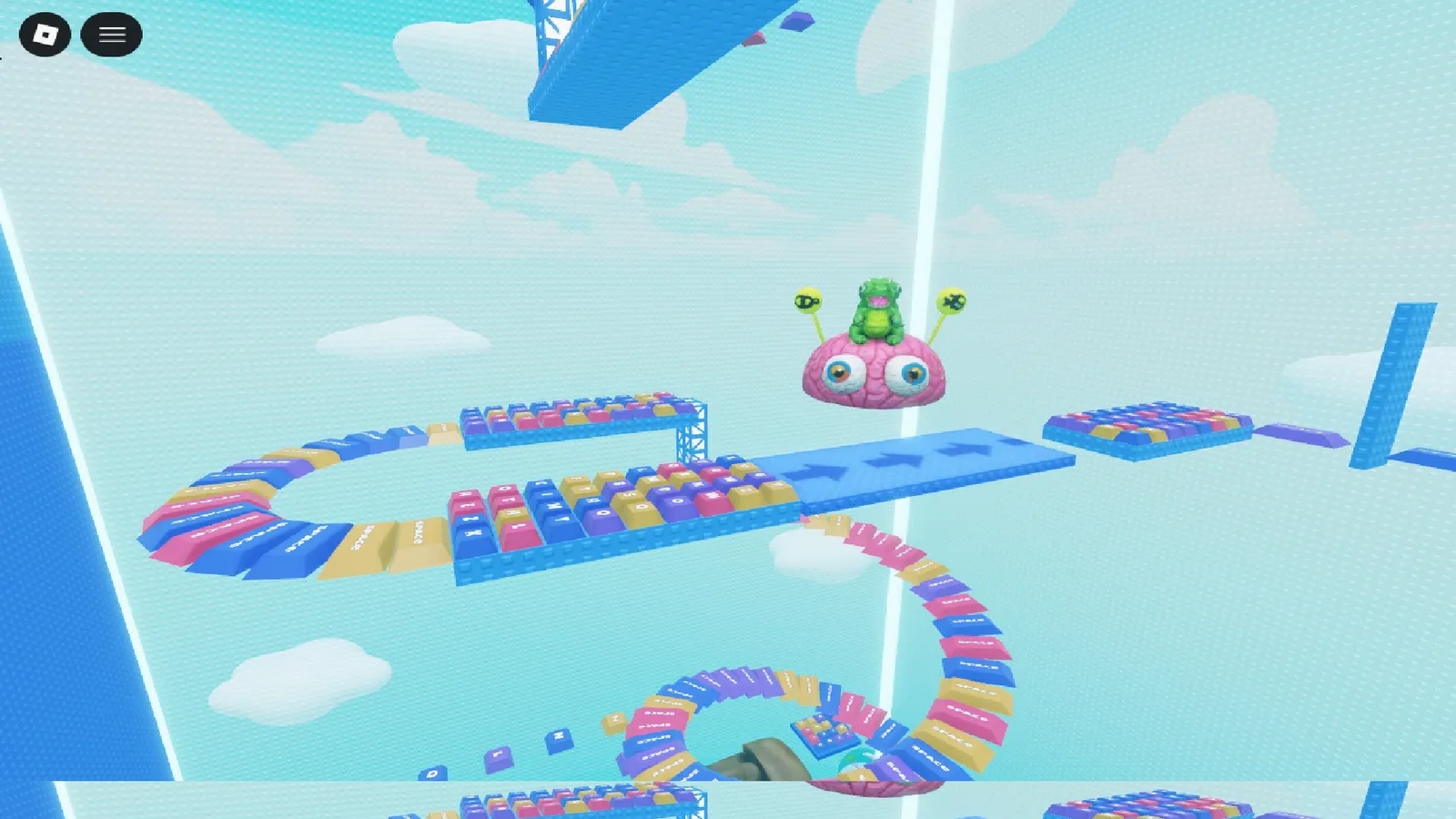
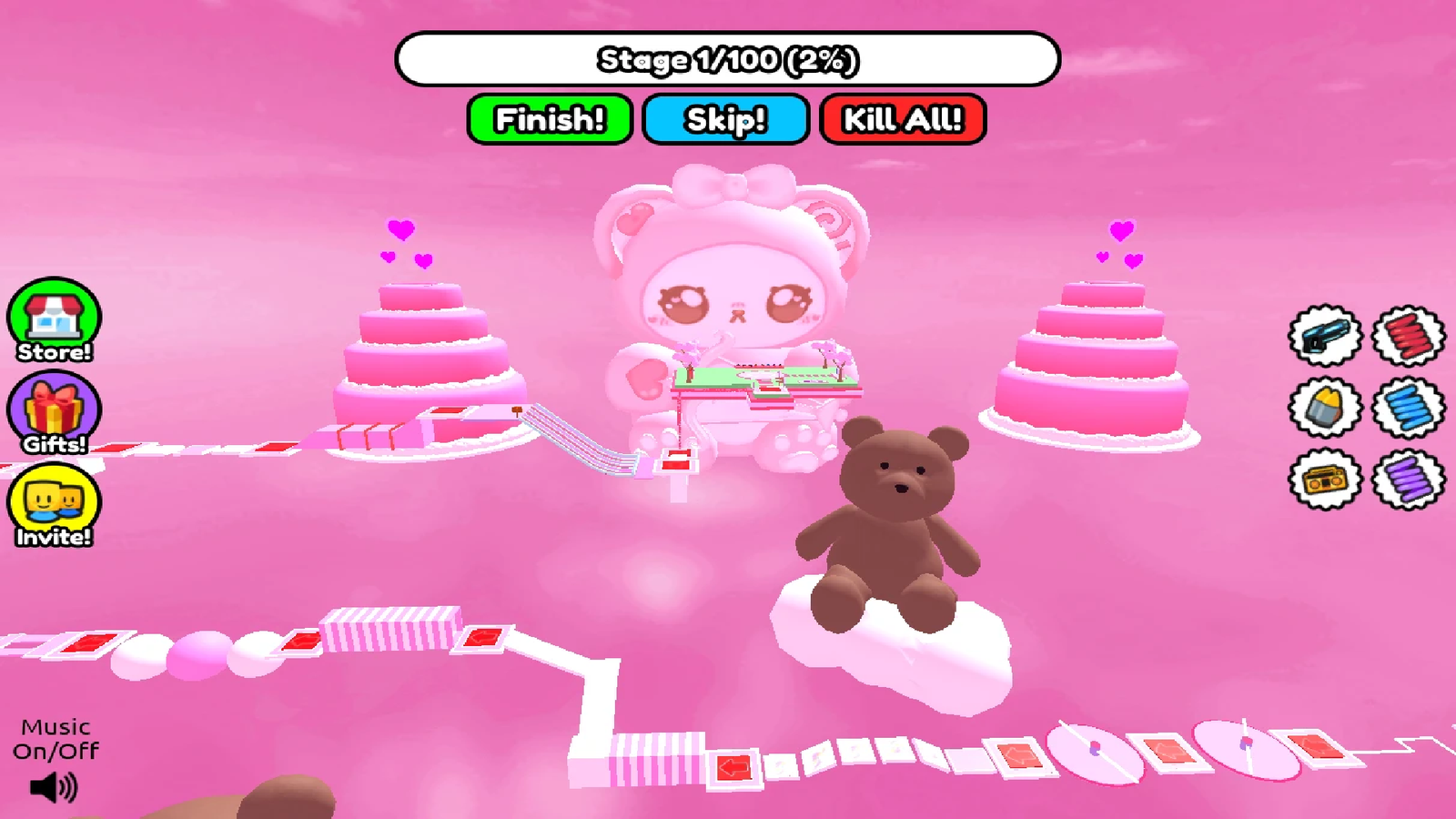
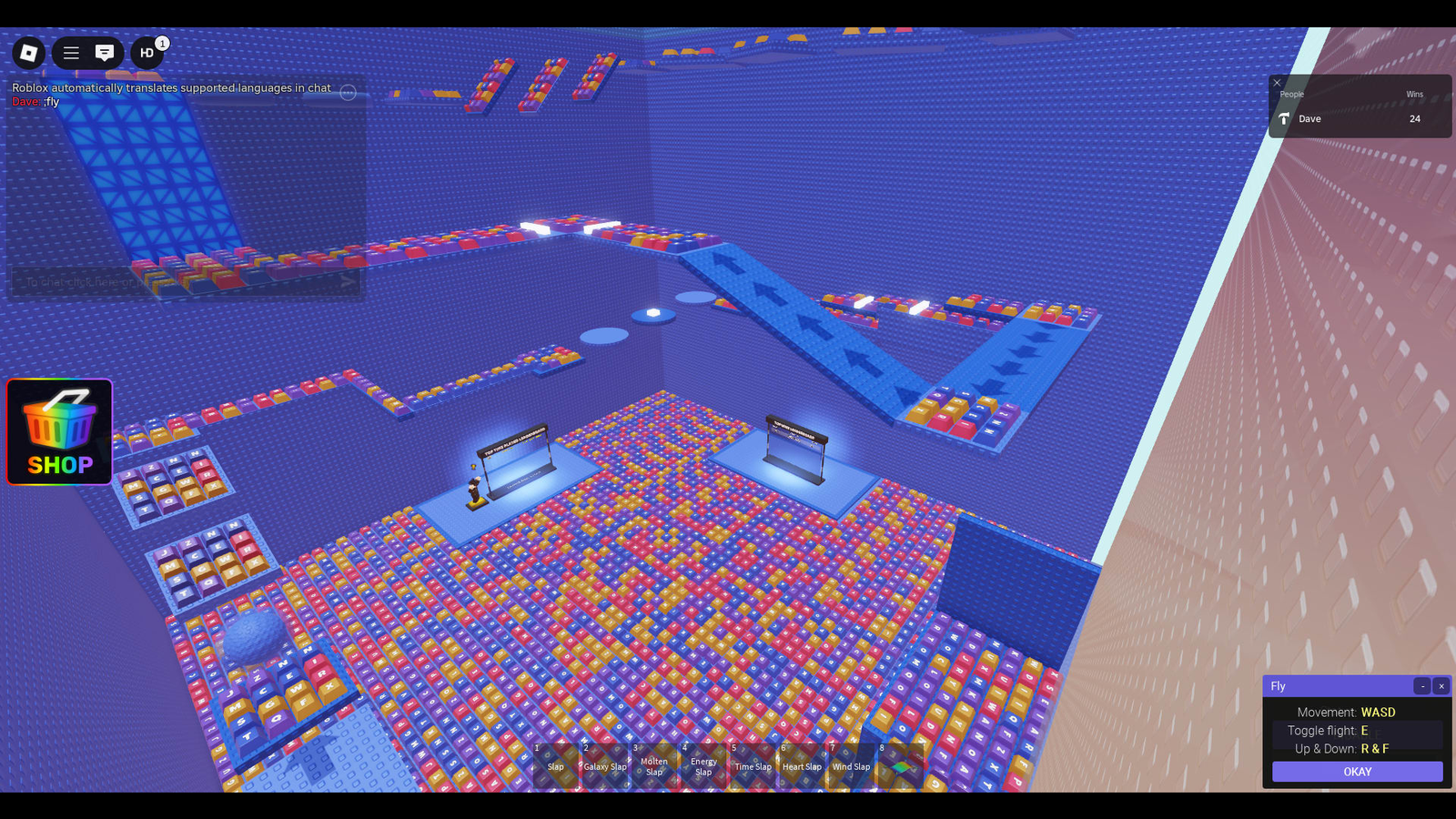
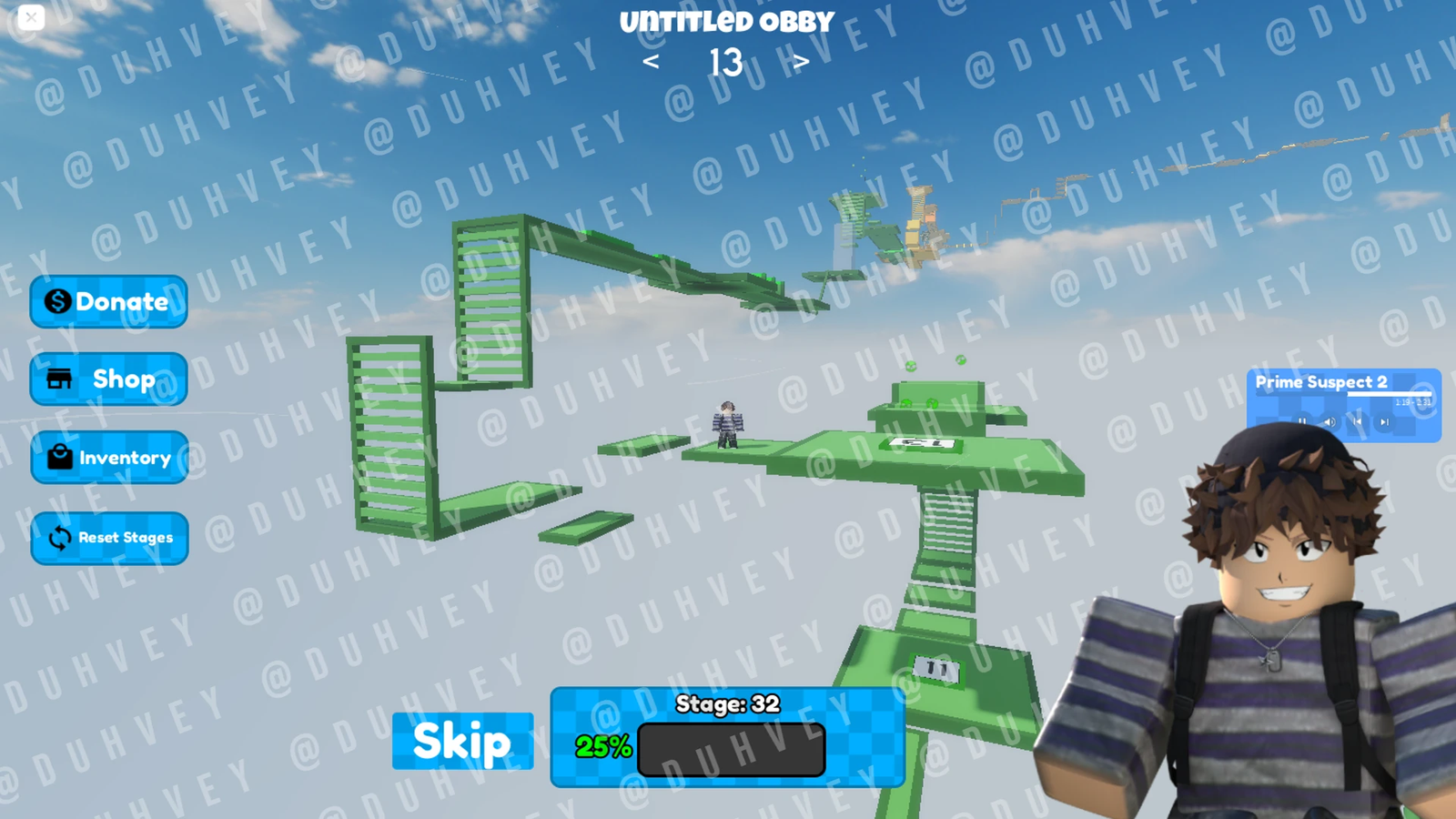
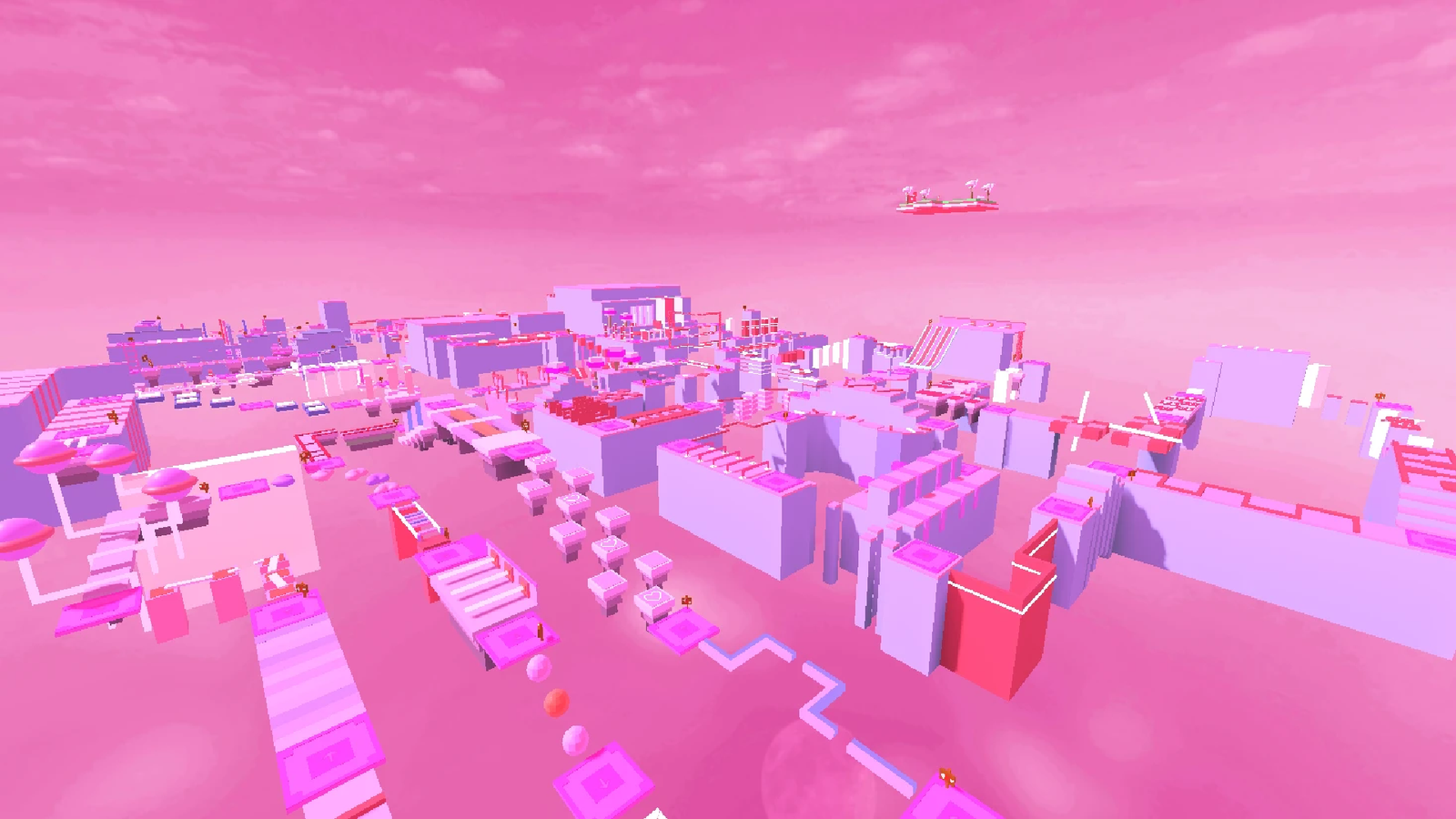
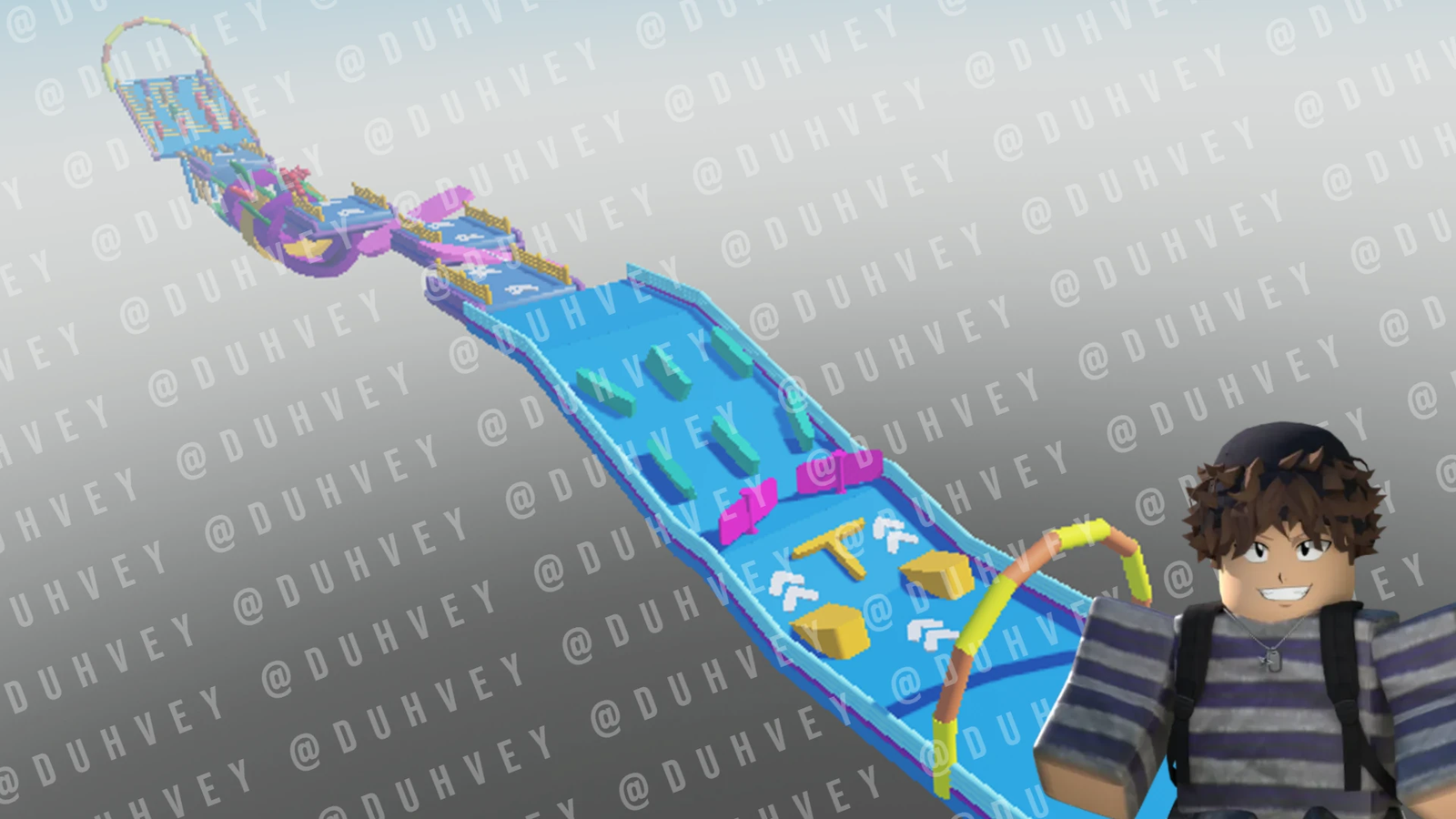
🌪 Push Panic Towers is a fast-paced, vertical obby experience designed to challenge player reflexes, timing, and precision. The project focuses on creating an intense progression system where players climb through multiple stacked stages, each introducing new mechanics and increasing difficulty. The tower is structured as a continuous vertical journey, featuring a variety of obstacle types such as moving platforms, narrow jumps, rotating elements, and directional paths. Each section is visually color-coded to help players quickly understand progression while maintaining clarity in a dense, multi-layered environment. A key gameplay element is the “push” mechanic, encouraging competitive and chaotic interactions between players. This adds an unpredictable layer of difficulty, transforming simple platforming into a dynamic social challenge where positioning and timing are critical. One of the main challenges in development was balancing difficulty with fairness. Careful attention was given to platform spacing, visibility, and checkpoint flow to ensure the game remains challenging without feeling frustrating. The vertical design also required optimization to maintain performance across all tower levels. Overall, Push Panic Towers delivers a high-energy, replayable experience that blends classic obby gameplay with competitive mechanics, keeping players engaged as they climb.

View Project
Simple Tower Obby – Yellowish Theme
02/21/2026
Scripting / Full Game Development / Building / UI Design

Simple Tower Obby – Yellowish Theme

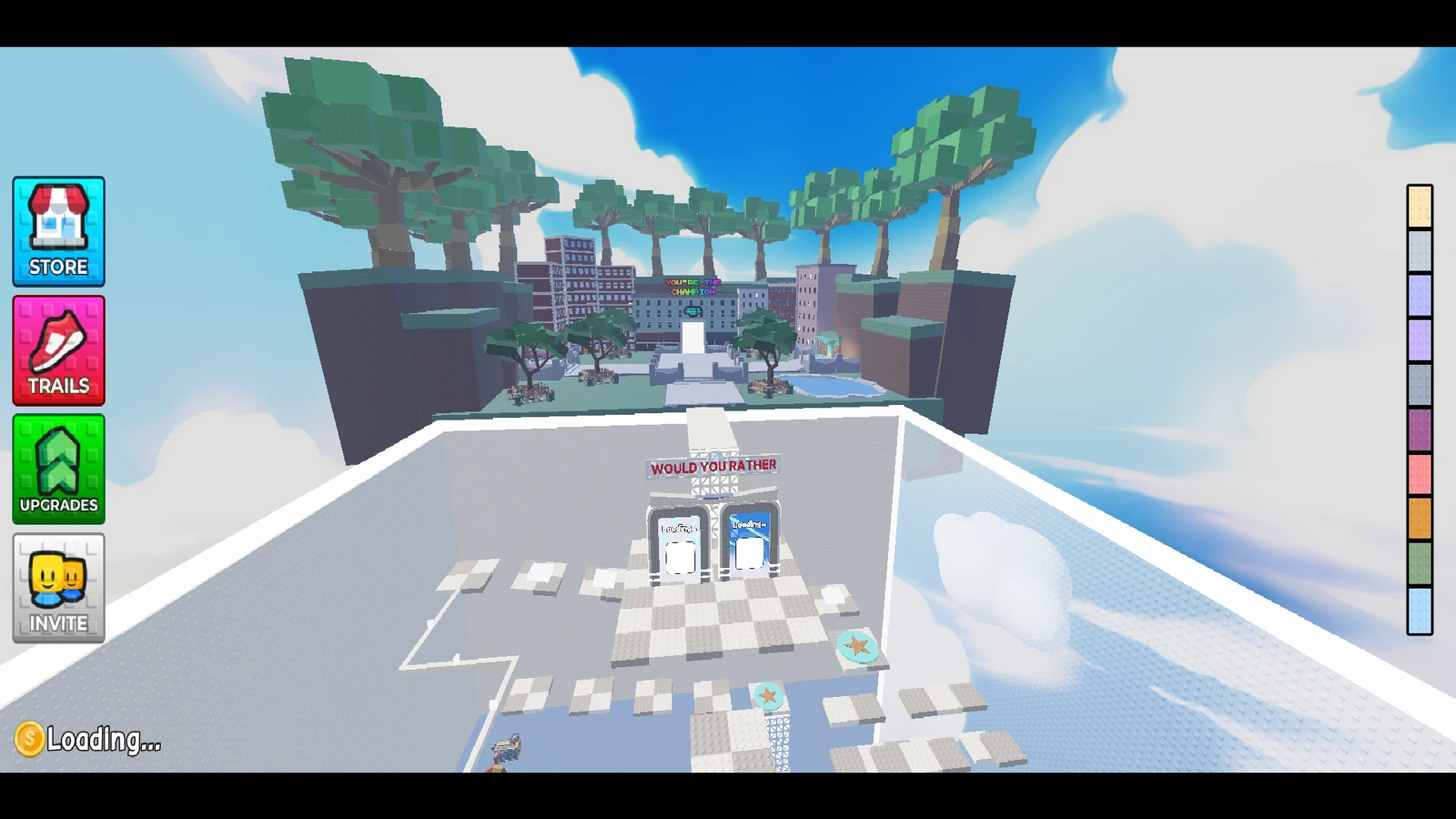
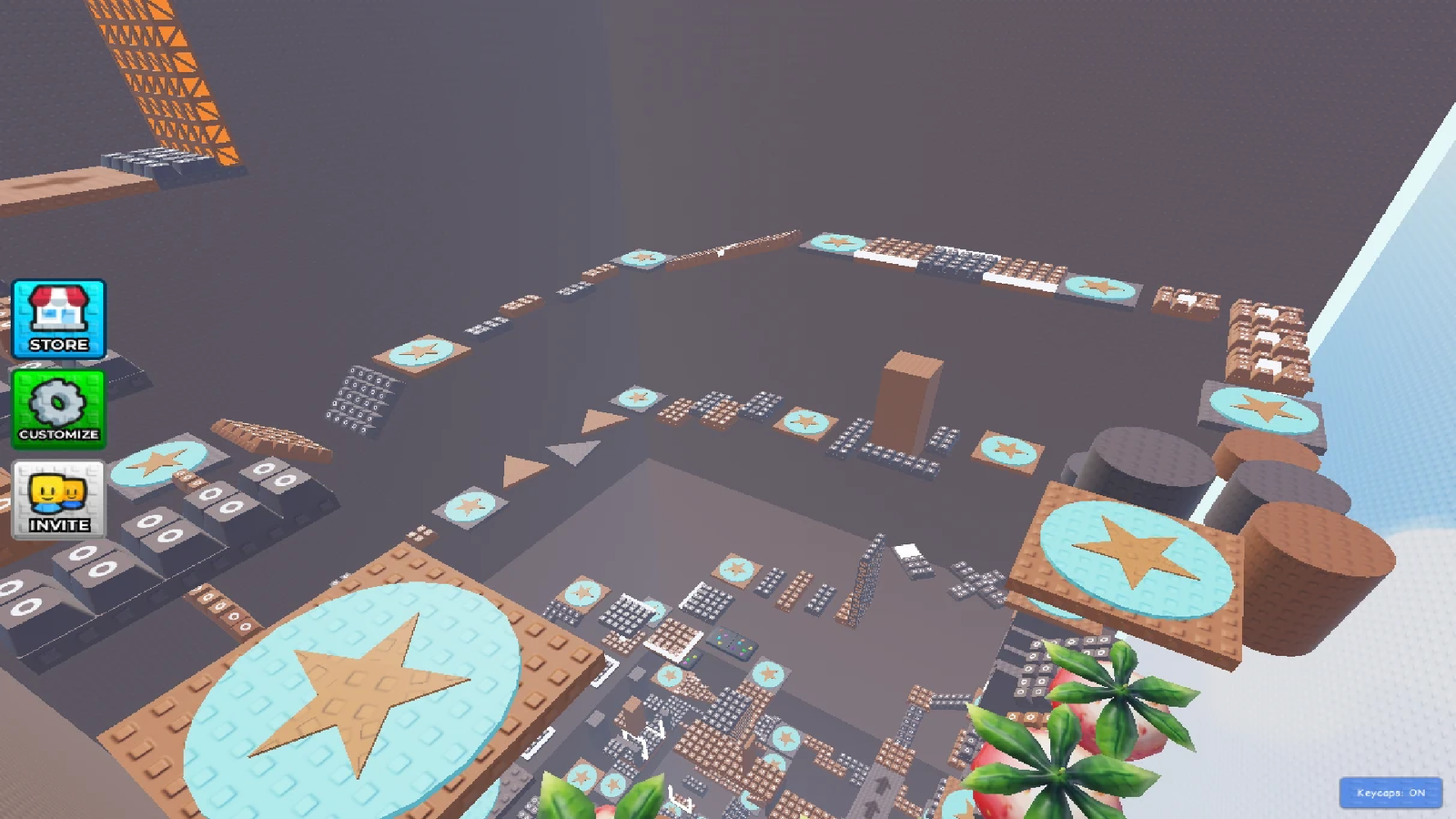
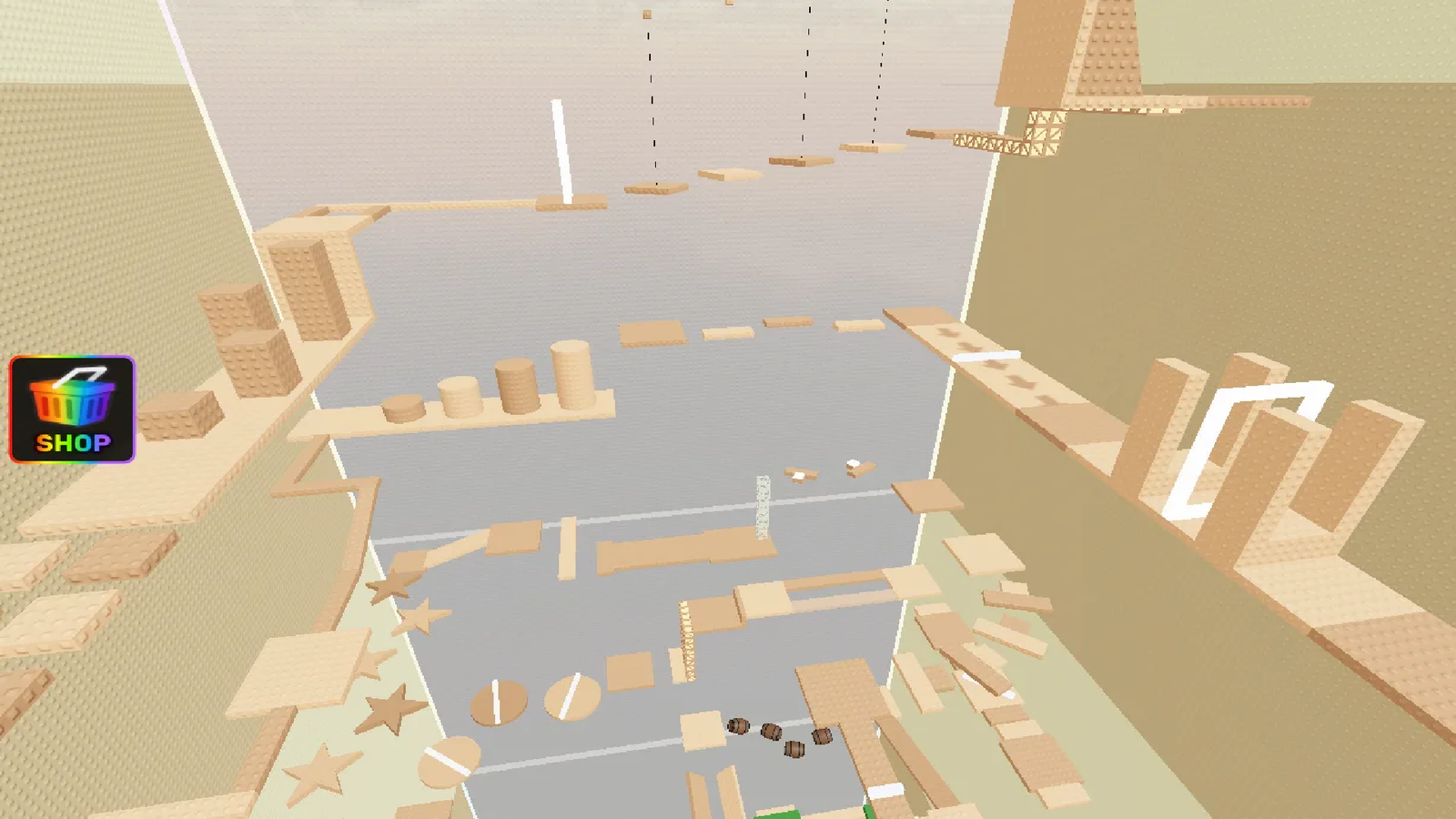
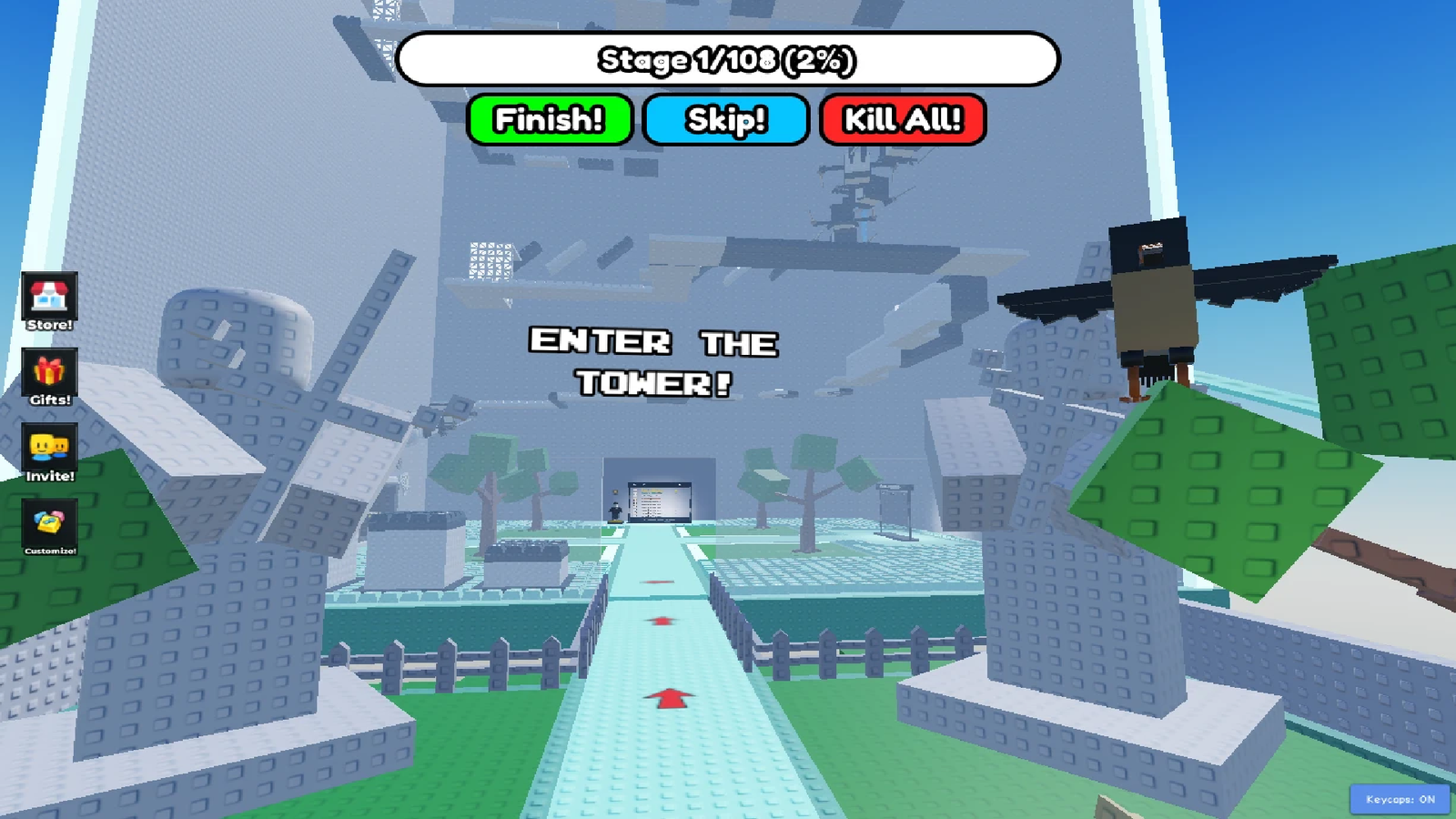
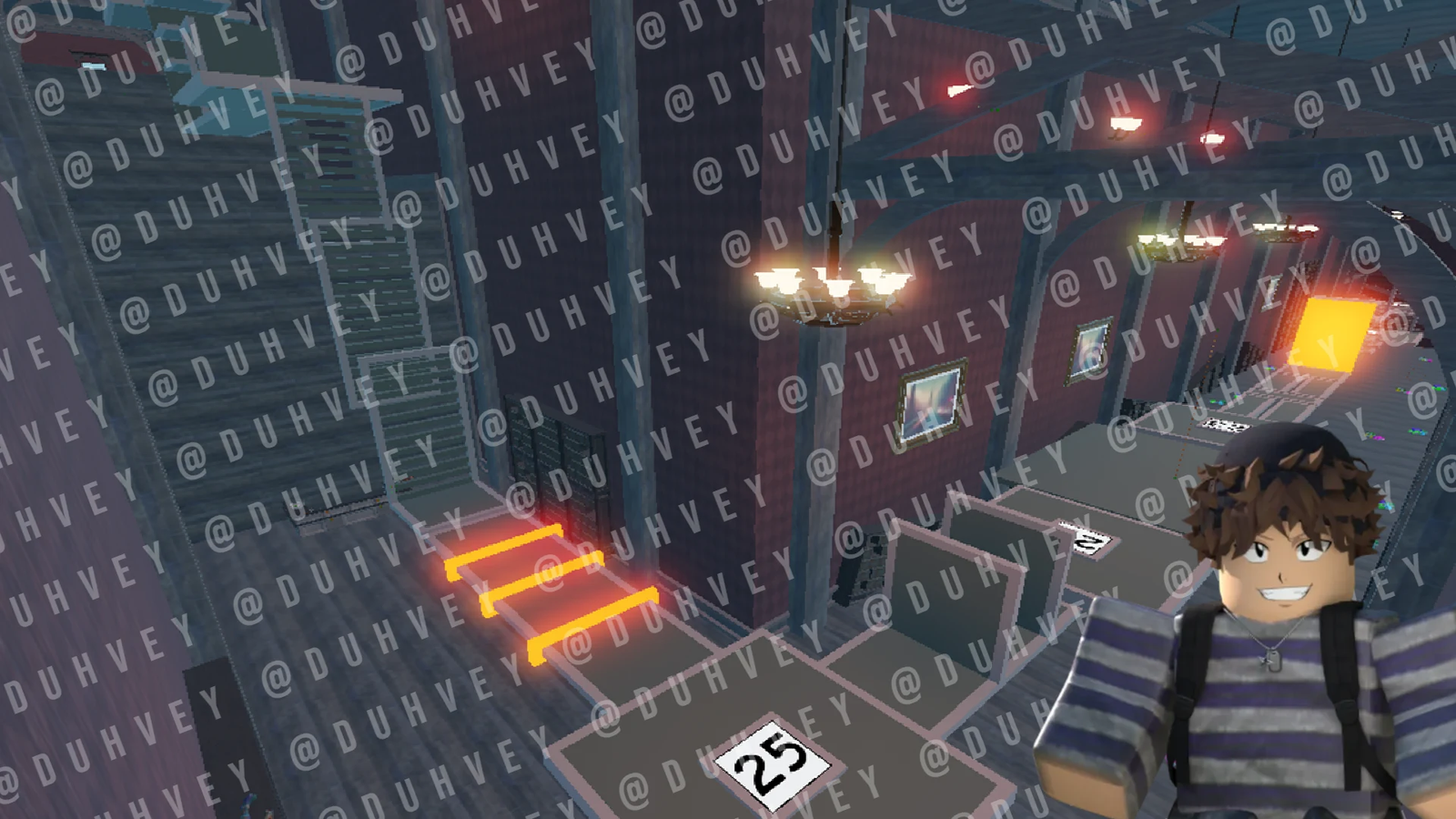
This project was developed for a client seeking a clean, minimalistic tower-style obstacle course with a consistent yellow-toned aesthetic. The goal was to create a vertically structured obby that feels simple in design but progressively challenging in gameplay, encouraging players to climb from the base to the top through multiple layered stages. The tower features a compact, multi-floor layout enclosed within a tall structure. Each level introduces different obstacle variations such as narrow jump pads, angled ramps, moving platforms, cylindrical jumps, thin balance beams, wall wraps, ladder sections, and rotating or timed platforms. The course gradually increases in difficulty as players ascend, requiring better timing, precision, and spatial awareness. A key objective was maintaining visual consistency. The client requested a predominantly yellow/beige theme to keep the design clean and distraction-free. To achieve this, a unified color palette was used across platforms, walls, and props, with subtle variations in texture to prevent the environment from feeling flat. Minimal accent colors (such as green grass platforms and white markers) were strategically placed to guide players without breaking the aesthetic. The final result is a streamlined, visually cohesive tower obby that delivers engaging vertical progression, balanced difficulty, and a clean yellow-themed design
View Project
Jungle Themed Obby
02/19/2026
Scripting / Full Game Development / Building / UI Design

Jungle Themed Obby

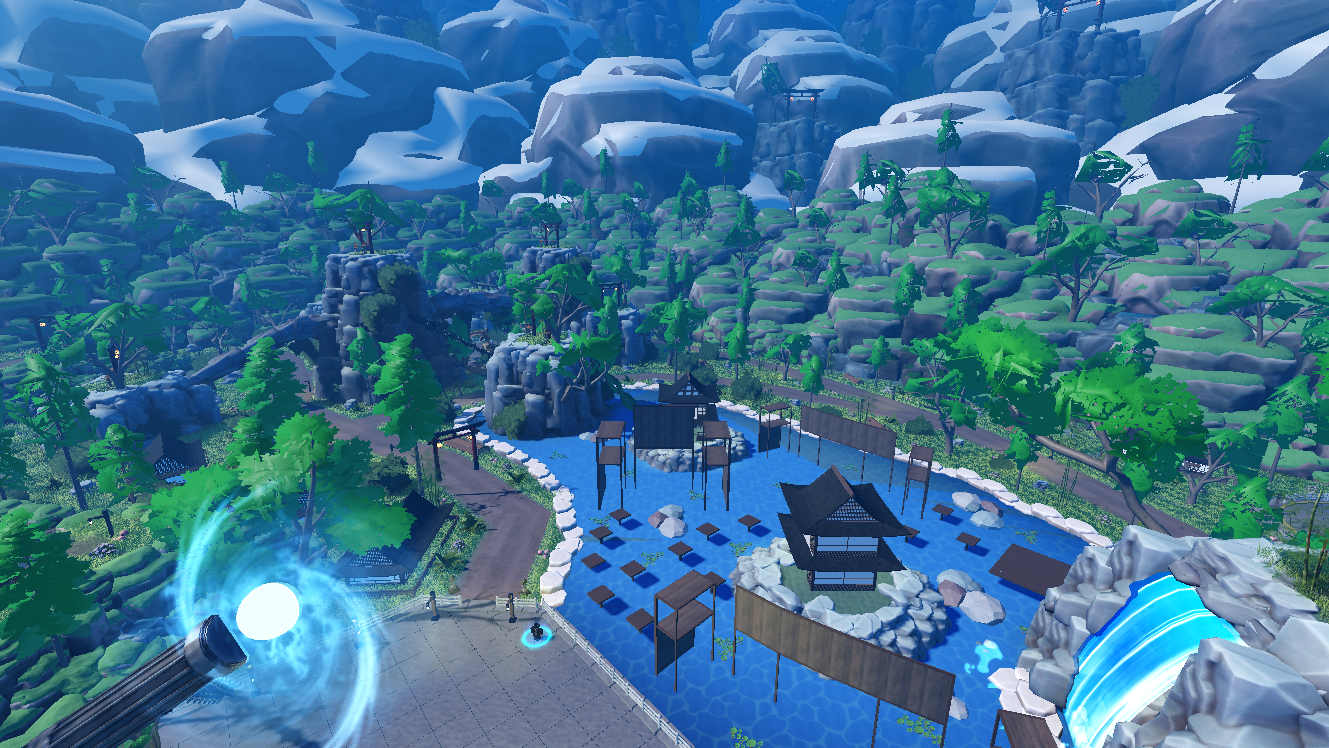
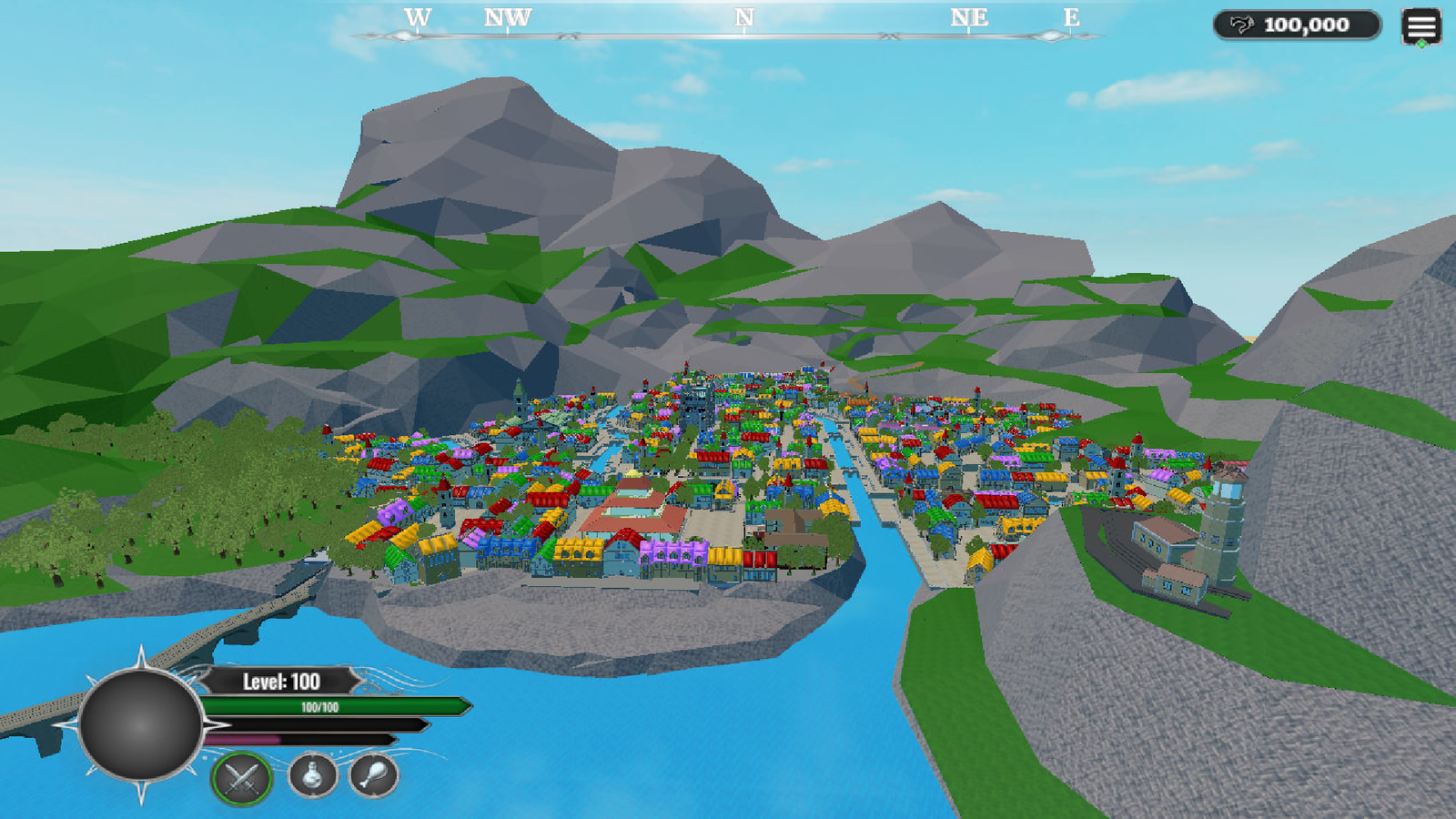
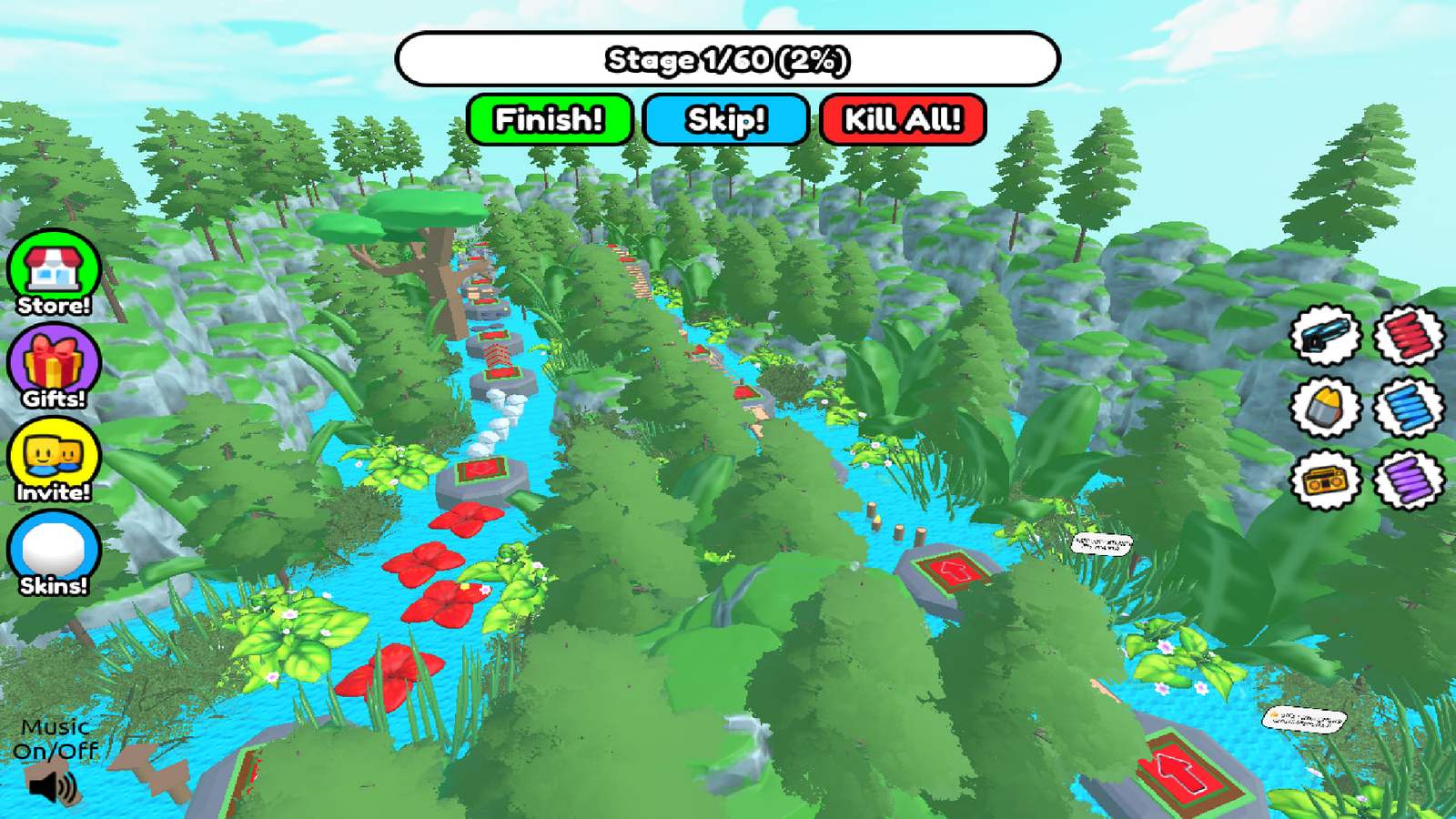
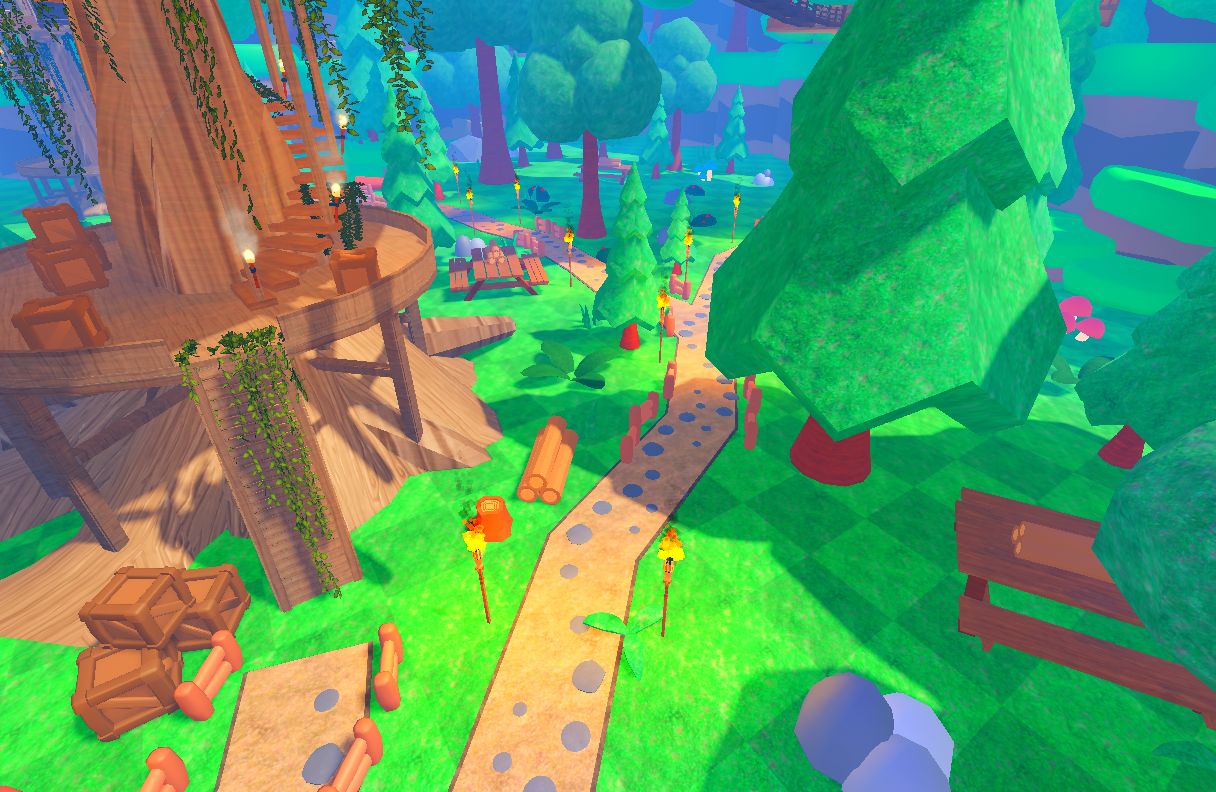
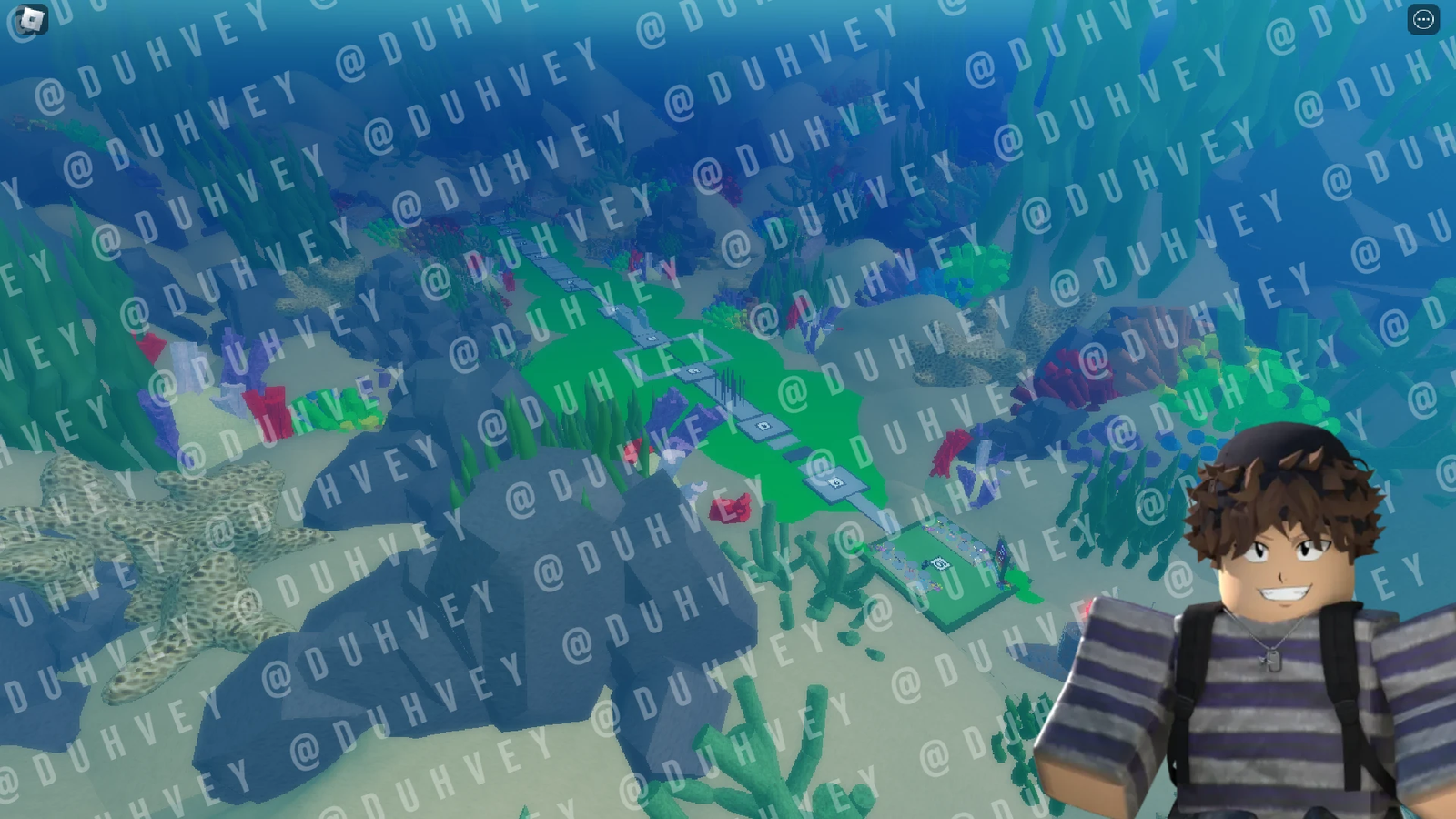
This project was created for a client looking to develop an engaging, visually immersive jungle-themed obstacle course (obby) experience. The primary goal was to design a fun yet challenging 60-stage progression system that encourages replayability while maintaining a vibrant and adventurous jungle atmosphere. The obby is set within a lush canyon environment featuring flowing rivers, rocky cliffs, dense foliage, oversized jungle plants, wooden bridges, swinging platforms, stepping stones, moving obstacles, and elevated stone pillars. Each stage introduces varied mechanics such as disappearing paths, rotating logs, narrow balance beams, suspended platforms, and vertical climbing sections to keep gameplay dynamic and progressively challenging. One of the key challenges was balancing visual density with clear player navigation. The jungle environment includes large trees, cliffs, and layered vegetation, which risked obscuring important paths. To solve this, bright red directional arrow pads were used consistently to guide players while maintaining the natural jungle aesthetic. Platform spacing and camera angles were also carefully tested to prevent frustration during jumps across tall pillars and narrow bridges. Performance optimization was also important due to the heavy environmental detailing. Asset scaling, smart prop placement, and efficient part usage ensured smooth gameplay

View Project